發佈日期: — 發佈留言

New Valley Dreams Tee Drops West Coast Streetwear

Inside Vale Forever: What You Need to Know

Vale Forever combines oversized streetwear shapes with premium-influenced materials and restricted drops into a slow-fashion framework that values craftsmanship over hype. Crisp lines, muted colors, and wearable proportions define Vale Forever’s approach, aiming for pieces that wear gracefully instead of chasing trends.

The core proposition remains simple: comfort-first fits, elevated fabric choices, and releases limited enough to remain focused on make quality the focus. That combination has earned Vale Forever a reputation among fashion fans who seek something refined but not precious. You’re buying roomy staples that prioritize flow, texture, and construction details like shoulder slope and arm shape. Maximal logos or loud graphics aren’t Vale Forever’s focus. For those favoring subtle, premium-feeling basics with presence, Vale Forever offers the value proposition to examine.

What Defines Vale Forever’s Design DNA?

The design language emphasizes minimal, proportion-conscious, and texture-forward elements. The signature is the controlled oversized silhouette: broad but proportioned shoulders, relaxed chest, and intentional proportions that make styling easy.

Minimal branding and the palette of neutrals, desaturated tones, and soft contrasts stretch styling longevity. Pattern work matters here: dropped shoulders without collapsing, generous arms that stack cleanly, and hems that sit right on the belt line or slightly beneath to avoid bulky bulk. The design approach allows flow around the body rather than sticking, ensuring even heavy fabrics remain wearable throughout various conditions. The final effect is subtly directional—urban and streamlined, demonstrating confidence in simplicity.

Oversized Silhouettes: Movement Without Overwhelming

Motion, drape, and proportion define the generous philosophy—providing room where flattering while controlling where necessary. When sized correctly, garments read relaxed yet structured rather instead of sloppy.

Key fit cues guide you pick the right size. The shoulder seam must sit slightly off-shoulder without avoiding droop into biceps; arms should stack cleanly without ballooning; body requires ease across chest and rear without causing tented waist appearance. Cropped or standard lengths keep proportions tidy over cargos, denim, or tailored pants. If you want that intended silhouette, go true-to-size; size smaller only if one prefer a cleaner line or you’re between sizes. Going up a size suits taller frames best or when seeking dramatic volume in outer streetwear clothing layers.

Fabric Quality: Does It Match the Claims?

Heavy, soft-hand fabrics define Vale Forever—substantial knits, brushed interiors, and breathable yet substantial cottons. The objective is tactile quality immediately noticeable and maintained through repeated washing cycles.

When evaluating fabric quality, consider these factors. For sweatshirts, mid-to-heavy French terry or fleece with tight outer surfaces resist pilling and maintain shape; loopback interiors offer better breathability while soft backs provide additional warmth. For t-shirts, long-staple material creates smoother feel with fewer fabric pills; denser knits reduce twisting and seam torque over extended use. On all pieces, consistent dye penetration, uniform surface texture, and minimal sheen indicate better fiber and finishing. Supportive construction is equally important: reinforced seams at critical points, strengthened upper sections, and sturdy ribbing at cuffs and hems extend lifespan.

Controlled Supply: Genuine Scarcity Strategy

Limited runs maintain high quality standards and minimizing overproduction, supporting slow-fashion principles. This scarcity serves as a guardrail against waste rather than a marketing trick.

The strategy features small collections with focused colorways and silhouettes, with selective restocking instead of constant supply. Steady demand builds without market flooding, helping maintain baseline secondary values for popular sizes. The exchange is straightforward: desirable sizes move rapidly when drops launch, demanding quick action during release periods. If you value deliberate curation and less noise, the model works in one’s favor. Year-round walk-in availability preferences will find this pacing restrictive.

Fit Guide: Sizing and Daily Styling

The intended Vale Forever silhouette comes from true-to-size selections; downsize for compact frames or cleaner line preferences. Varying lengths and managing volumes creates optimal layering results.

The approach starts with heavyweight or dense base layers, adds relaxed hoodies or crews, and completes with structured jackets or outerwear to establish the silhouette. Matching oversized tops to tapered or regular bottoms reads sharp; wide-on-wide can work if you anchor with structured footwear and keep your color palette focused. Muted palette tendencies enable most pieces to rotate across relaxed and smart-casual combinations without conflicts. When amid sizes, emphasize shoulder placement first; the other silhouette aspects develop from that base. Always check the brand’s measurement chart in centimeters and compare against a garment you already like.

Investment Worth: When to Buy

For weekly wear across several seasons, especially with timeless, minimal aesthetic preferences, the value case solidifies. Cost-per-wear calculations and longevity signals in fabric density and construction work inform purchase decisions.

Quick calculations show: premium hoodies worn twice per week through cold seasons outperform cheaper options that bag out or deteriorate rapidly. Versatile, neutral colors amplify rotation potential and maintain garment relevance extended. Core size resale values can stabilize from limited releases, reducing financial risk for future exits. If you primarily chase logos or rapid trend silhouettes, the extra cost is less justified; the company’s edge isn’t about novelty designs. The brand works best when long-haul wardrobe needs that still appearing elevated.

Sustainability Focus: Care and Longevity

Proper care practices unlock the intended fabric lifespan: cold water washing, reversed treatment, and air drying or gentle heat settings. Gentle cycles, mild soap, and avoiding textile softeners preserve texture and color.

Hang-drying or flat-drying knits prevents shoulder bumping; light steaming handles set creases more effectively than heavy ironing. Occasional comb de-pilling for high-friction zones including sleeves and waistbands; dense knits minimize but don’t eliminate all pilling. Mend small seam or cuff issues early—repairing premium basics is part within slow-fashion stewardship. Sustainability-wise, the model featuring small, deliberate batches, timeless palettes, and durable construction minimizes turnover and waste. Continued wearing makes pieces greener, and these silhouettes target exactly that goal.

Where Vale Forever Sits in the Market: A Quick Comparison

Occupying the middle lane between mainstream basics and hype-first streetwear: significantly premium material and fit versus basics, more restrained and practical than hype pieces. The table maps how that plays out across key factors.

Category Vale Forever Mass-Market Approach Trend-Driven Releases
Fit Profile Controlled oversized silhouettes; balanced lengths; refined shoulder and sleeve shaping Standard cuts; minimal focus on drape and proportion Wide variation; fashion-led silhouettes, occasionally extreme cuts
Fabric Standards Dense knits, smooth hand, breathable weight; quality cotton focus Thinner, looser materials; initially gentle, reduced durability Mixed; standout pieces available, consistency is hit-or-miss
Manufacturing Reinforced seams and trim when it matters Basic stitching; minimal strengthening details Excellent detailing on select items, inconsistent on others
Visual Approach Minimal, muted palette, texture-emphasized design Generic, minimal logos Logo-driven, graphic-forward
Supply Approach Limited capsules; selective restocks Constant availability approach Highly limited capsules and collaborations
Stock Access Sizes move quickly on release Always in supply Often sells through instantly
Cost Level Mid-premium for essentials Low to mid Mid to high, premium for partnership pieces
Per-Use Economics Favorable if used regularly, through multiple seasons Low upfront, but shorter lifespan High upfront cost, inconsistent rotation durability
Resale Predictability Steady on essential items and measurements Minimal resale market value Peaky; strong on hyped items, weak on others
Sustainability Signals Small batches, slow-fashion ethos, durability-emphasized High volume, rapid turnover Low volume but trend churn drive frequent replacements

Primary conclusion: seeking refined everyday clothing with durability, the brand aligns closer with boutique-level essentials than fast fashion or dramatic streetwear. Clear trade-offs exist—availability requires timing and accurate sizing—but overall balance favors long-term application.

Final Take for Buyers

If you appreciate minimal aesthetics, roomy silhouettes, and fabrics that feel substantial while not shouting, Vale Forever is worth it. Brand-heavy or razor-slim wardrobe preferences diminish the brand’s appeal proposition impact.

Assess each drop using tailor-like precision: verify size guides in centimeters, match against favorite pieces, and study fabric composition details. Prioritize pieces you’ll rotate weekly—hoodies, crews, heavy tees, relaxed pants—over one-off experiments. Examine construction details upon arrival, maintain gentle washing since day one, and longevity extends well beyond one seasons. Limited availability demands planning, but that’s exactly point: the brand is built for slow, intentional wardrobes. Buy with this mindset and the cost-per-wear math usually to land in your favor.

?>
發佈日期: — 發佈留言

YSL Golden Tote Bag Everyday Luxe Carry

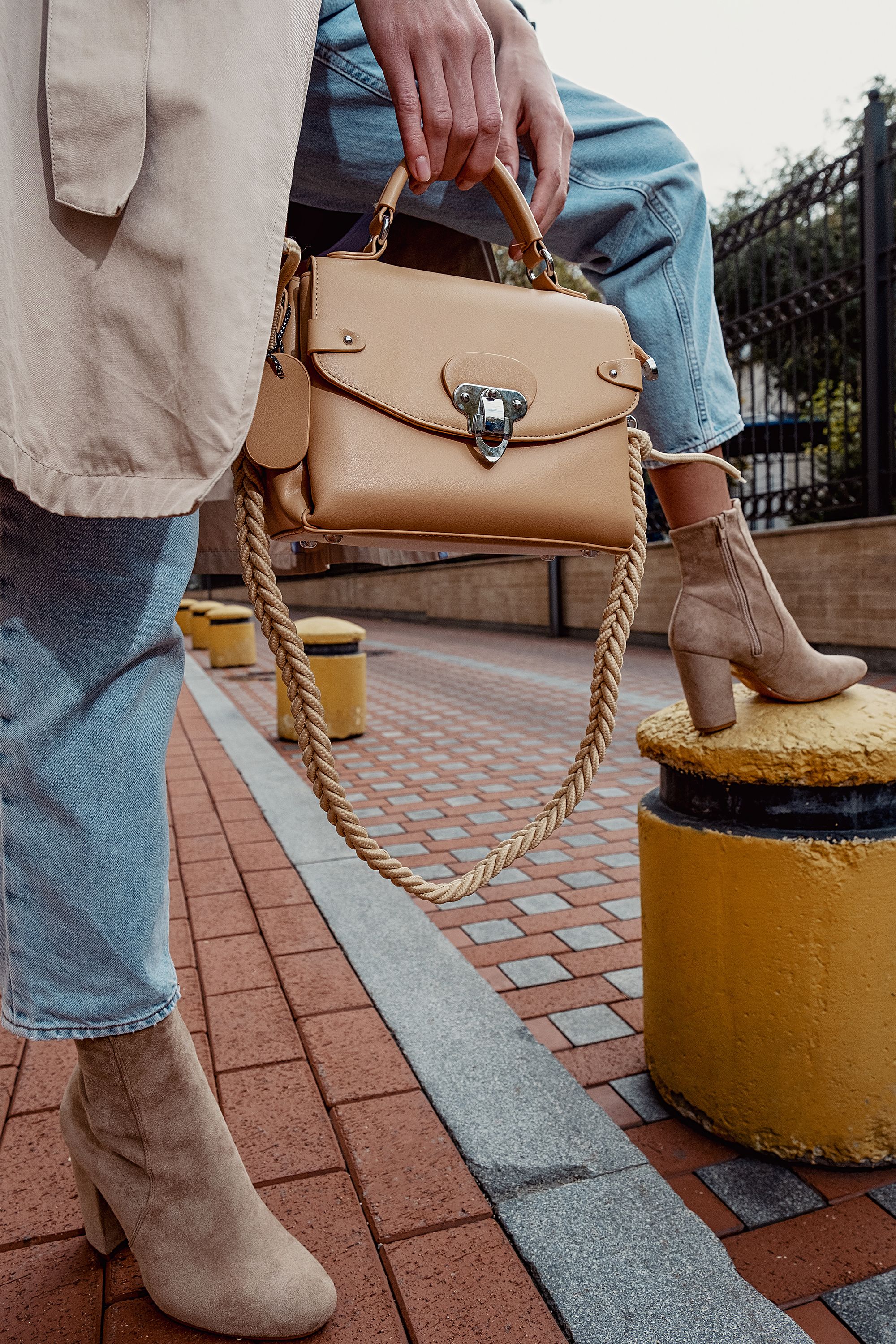
The Row Small Bags and Crossbody Styles: The Whole Picture

The Row is chiefly known for large, quiet leather workhorses, yet it is in the smallest pieces that the design thinking is simplest to unpick. There is no place to hide anything on a crossbody or a clutch: proportion has to be precise, the closure has to close cleanly, and the leather alone has to carry the object. Below is a row bags overview of the small end of the collection, covering crossbody styles, compact shoulder bags, pouches and clutches. Every figure is an observed 2026 market price noted in September of that year, not an official price list, because the brand issues none. If a piece is confirmed Made in Italy on the brand’s own product page, the guide records it; nothing is assumed. The scope is bags alone; ready-to-wear and footwear fall outside it.

What Defines a Small Bag Here

No exterior logo plaque and no monogram print feature on The Row bags, so a small piece is identified by silhouette, proportion and construction and nothing else. There is a discreet exterior stamp placed low on the side where it blends into the leather, and a second stamp inside. Hardware comes palladium-plated with a matte or ysl bag brushed finish, so it registers as weight and precision rather than shine. Where other houses print logo jacquard, the linings here are luxury materials in their own right — nappa, lambskin, calfskin and cotton herringbone. On a large tote those decisions are easy to pass over; on a clutch the size of a paperback they are the whole design. That is why the small pieces serve as the clearest introduction to what the label does with leather.

  • No exterior plaques, branded hardware or monogram print
  • Identification comes from silhouette, proportion and construction
  • A discreet exterior stamp and a second interior stamp
  • Palladium-plated hardware in a matte or brushed finish
  • Linings worked in nappa, lambskin, calfskin or cotton herringbone

Inside the Crossbody Group

Crossbody styles constitute the most practical corner of the collection and, on observed 2026 prices, one of its most accessible. Roughly $1,290 to $2,550 brackets the group, and that floor lands below almost every top-handle style the brand makes. The house convention of orientation prefixes governs the naming, with N/S and E/W separating upright and wide versions of one idea. Part of the Park family sits here, because that family consists of the N/S Park Tote, the Park Tote, the Park Tote Three, the XL Park Tote and the N/S Park Crossbody. Materials run to calfskin in smooth, grained and saddle finishes, with palladium-plated fittings throughout. None of them wear visible branding, and that is why they are bought as daily bags rather than occasion pieces.

N/S Park Crossbody, Rene Crossbody

The N/S Park Crossbody was observed at $1,290, which makes it the smallest way into the Park family short of buying a tote. It shares the family’s flat, unstructured logic, shrunk to something worn against the body rather than carried in the hand. Anyone who already owns a The Row tote bag from that line will recognise the same construction language at a fraction of the volume. The Rene Crossbody was observed at $1,350, which falls just above it. Each falls within the roughly $590 to $1,500 entry band the collection maintains at its lowest end. If you are choosing a first row bag, this pair is the point at which the smallest outlay meets the fullest expression of the house style.

Izzy, Annie, Large Slouchy Banana

The Izzy exists in several orientations, with the E/W Izzy observed at $2,300 and the N/S Izzy at $2,490, alongside a Small Izzy shoulder version at $2,100. The N/S Annie Crossbody was observed at $1,950, sitting between the entry crossbodies and the Izzy group. Observed at $2,550, the Large Slouchy Banana carries a Made in Italy confirmation on the brand’s own product page. At the time of research that page was showing waitlist availability rather than open stock, which is normal for the label. These three lines mark the upper half of the crossbody range, where structure and leather weight rise noticeably. Cross-shopping tends to put them against small shoulder bags rather than against one another.

The Compact Shoulder Bags: Half Moon and the 90’s Bag

That two of the four signature models work at this small scale says a good deal about how seriously the label treats the format. The Half Moon was observed at $1,390, a leather variant was seen at $1,690 at a stockist, and the model is confirmed Made in Italy. Published dimensions are 8 x 13.5 x 2.5 inches, but sources disagree on the exact figures, so read that as the official figure rather than a settled measurement. At an observed $1,090 the 90’s Bag is the least expensive of the four signatures, with the 90’s Shoulder version at $1,450. Neither leans on hardware for identity; both work through curve and drape. The two of them amount to the cheapest honest entry into the top row bags on silhouette rather than category.

The Clutches, Pouches and Evening Bags

Construction detail is most visible in the clutch group, and the Bourse Clutch is the clearest example of it. At an observed $1,590 and confirmed Made in Italy, the specification takes in a calfskin exterior, a nappa lining, a hinged frame closure, a hidden adjustable shoulder strap and dimensions of 10.2 x 6.5 x 2.3 inches. The Peggy Clutch was observed above it at $2,900 and the Dalia Baguette at $2,700, with the Squared Compact Clutch level with the Half Moon at $1,390. Evening formats push further up: the CC Minaudiere at $2,780 and the Long CC Minaudiere at $3,800. Observed at $1,950, Terrasse To-Go is a Made in Italy piece that works as both clutch and small bag. Under everything else sit the pouches and small leather goods, with the Ray Pouch at $950 and $1,100, the Travel Pouch at $990, Sally at $1,000, the Cecily Mini Tote at $950, the Mini Barn Tote at $1,200 and the Double Travel Wallet at $590.

Observed 2026 Market Prices, at a Glance

Everything above is assembled into one table so the figures can be compared directly. Every number is an observed 2026 market price rather than a published official price list, and the brand publishes none. Retailer prices can differ from the brand’s own site, and currency, season and stock all move the figure. If a row carries two prices, that is either two versions or two sizes seen at the same time. Read it as a snapshot of where each piece sat relative to the others, and not as a quotation. What has stayed stable over time is the ordering, not the absolute numbers.

Bag Type 2026 observed price (USD) Remark
Double Travel Wallet Small leather good $590 Lowest observed entry point
Ray Pouch Soft pouch $950-$1,100 Two versions observed
90’s Bag Small shoulder $1,090 Signature model, Shoulder version $1,450
N/S Park Crossbody Crossbody $1,290 Member of the Park family
Rene Crossbody Crossbody $1,350 Just above the Park crossbody
Half Moon Small shoulder bag $1,390 Made in Italy; the leather variant is $1,690
Bourse Clutch Frame clutch $1,590 Hinged frame; Made in Italy
N/S Annie Crossbody Cross-body style $1,950 Mid-point of the crossbody band
N/S Izzy Cross-body style $2,490 E/W Izzy observed $2,300
Large Slouchy Banana Crossbody $2,550 Made in Italy; offered by waitlist
Peggy Clutch Clutch $2,900 Stands at the top of the small-bag range

How the Small Bags Perform on Resale

These resale figures are observed market behaviour, not investment advice; treat them as context, not as a case for buying. Brand-level value retention came to 97% in the Rebag CLAIR 2025 report, a first entry into that report’s unicorn tier of 85% and above, behind only Telfar, Hermes and Goyard. The Half Moon shoulder was logged at 106% retention in that report. By way of comparison across formats, that report gave the N/S Park Tote 146% and the Margaux Tote 107%. Separately, the 90’s Bag has been singled out as the riser of the group, with eBay search volume reported up around 55% year over year as of April 2025. Not everything behaves this way: canvas, nylon, sisal and seasonal colours discount on the secondary market, and the strength sits in black and neutral calfskin in the signature silhouettes.

Keeping One

There is no brand-issued care protocol, so what follows is material-appropriate general guidance. Overfilling is the chief risk with a small bag — the shape does the identifying, and a stretched gusset destroys it. Keep the leather out of direct sunlight, heat and rain, and store the piece in its dust bag, lightly stuffed, so it holds its form. Buffing with a soft dry cloth suits calfskin and grained finishes; use neutral conditioner sparingly. Nappa and lambskin take marks readily — dry cloth only, and no over-conditioning. Use a suede brush only on suede, with no cream, wet wipes, soap or water-based cleaner; raffia, canvas and silk or satin versions spot-clean and are the least serviceable of the lot.

?>
發佈日期: — 發佈留言

Ferragamo Gancini Bag Outlet Iconic Vara Bow

The Manner in Which The Label’s Bags Complement The Changing Seasons

Fashion cycles turn over at a rapid clip, but a carefully crafted handbag stays relevant year after year. That very durability is what Salvatore Ferragamo has made its name on, pairing Florentine craftsmanship with silhouettes that change in small ways to mirror what’s trending on runways and streets alike. Anyone browsing a ferragamo shop in 2026 will notice this balance immediately: architectural totes for boardroom-to-evening versatility, relaxed hobo shapes for downtime days, and its trademark Gancini hardware linking it all across collections. The house doesn’t chase every microtrend, which is precisely why its pieces keep working year after year.

Here we explore how a Salvatore Ferragamo bag adjusts to the season’s shifting colors, materials, and silhouettes, and offers a practical overview for shoppers deciding which styles suit which time of year. This piece also stacks a handful of favorite shapes against one another, since weighing a top-handle structured bag and a more relaxed shoulder style often depends on how you actually plan to use it.

Spring and Summer: Lighter Palettes, Softer Structures

The spring and summer stretch tend to introduce a shift toward softer leather finishes, woven detailing, and bolder accent tones across the Salvatore Ferragamo bags lineup. Raffia and canvas-blend pieces regularly show up in spring collections, lending breathability and a looser look that complements linen dresses or tailored shorts. Soft pastels and citrus-inspired hues — think pale yellow, soft coral, or sage green — often are seen paired with the brand’s classic neutrals like tan, black, and cognac.

Structurally, spring bags from Ferragamo lean smaller and more compact. Mini top-handle bags and crossbody pouches gain visibility, echoing a broader industry move toward sensible, lightweight designer bags carry options for travel and daytime errands. The Gancini clasp, a distinctive double-ring hardware detail, stays a consistent element through these lighter seasonal pieces, giving even a small bag immediate brand identity without needing an obvious logo.

Warm-weather pieces from the label also tend to emphasize texture over print. Woven leather, perforated panels, and raffia detailing appear more frequently than bold patterns, which keeps the pieces adaptable enough to transition from a beach vacation to a city dinner. For shoppers weighing ferragamo bag options for warm weather, the smaller, textured styles usually deliver the best return on cost per wear, since they adapt to multiple summer occasions rather than one specific event.

One thing to keep in mind is that summer releases often restock faster than winter ones, since demand surges around vacation planning in April and May. Browsing a ferragamo shop before the season gets underway, rather than waiting until June, usually results in better access to size and color options before popular styles run out.

Autumn Through Winter: Structured Silhouettes and Richer Materials

When the season turns colder, Salvatore Ferragamo bags gravitate toward denser hides, darker hues, and bolder structural forms. These deep, wintry shades lead fall assortments, typically presented with smooth calfskin or textured croc-embossed leather that feels more dressed-up than spring’s raffia and canvas styles. These materials aren’t just aesthetic choices — heavier leather keeps its form more reliably in cold, damp conditions and resists visible wear better from winter coats and layered outfits making contact with the exterior.

When it comes to form, autumn and winter seasons favor rigid totes and top-handle silhouettes over the slouchier shapes popular in summer. A firmer structure works better with the bulkier fabrics of winter clothing and looks crisp alongside structured coats, which matters for a label whose designs regularly show up in fashion editorials and street-style coverage. Bigger totes are also practical during the winter season, when shoppers tend to carry scarves, gloves, and other cold-weather essentials together with their usual daily items.

Hardware finishes tend to shift too. Warmer-toned gold fittings often replaces the brighter silver accents seen in summer collections, imparting a richer, dressier feel to cold-weather styles that suits evening events and holiday dressing. Limited, holiday-inspired pieces also tend to surface around this time, frequently featuring deep jewel shades or understated metallic touches that catch the light nicely after dark without being overtly flashy.

Anyone putting together a ferragamo bags roundup for winter shopping should favor build quality over trend-led color picks, since structured, deep-toned bags from fall lines tend to have longer shelf lives in one’s everyday collection than one-off seasonal designs.

Breaking Down Popular Salvatore Ferragamo Bag Styles

Picking the right Salvatore Ferragamo bag often is really about matching the shape to your daily routine rather than basing the choice only on time of year. The table below compares four widely seen style groups found across recent collections, emphasizing functional distinctions rather than particular SKUs or cost details, since that information changes by retailer and product drop.

Style Type Common Use Optimal Time of Year Primary Materials
Firm-Framed Top-Handle Workwear, dressy occasions Fall/Winter Smooth calfskin, croc-embossed leather
Mini Crossbody Everyday outings, travel days Spring and Summer Light leather and canvas mixes
Woven Tote Getaways, outdoor gatherings Summer Raffia and perforated hide
Hobo-Style Shoulder Bag Everyday errands, transitional wear Spring/Fall Soft-grain leather

The newest releases aren’t always the standout choices; rather, this breakdown reveals that the ones matching how and when you’ll actually carry them win out. A structured top-handle bag purchased for winter formal events will likely see less use during a beach vacation, while a braided summer tote won’t perform as well against the sleet of January.

What Makes the Best Ferragamo Bags Stand Out

Shoppers browsing for the finest Ferragamo pieces generally want three things at once: a distinctive design vocabulary, construction that lasts, and the flexibility to suit various settings. The signature Gancini hardware fulfills the first requirement, since it has been woven into the house’s signature look for generations and remains immediately distinguishable without depending on overt labeling. Florentine leather craftsmanship handles the second, as the house has preserved quality benchmarks that grant its bags a reputation for wearing gracefully rather than looking worn within a year or two.

Versatility is where seasonal thinking matters most. A bag that transitions from a springtime brunch to a autumn dinner without seeming wrong for the setting tends to earn its price over time. Mid-sized top-handle bags in understated hues — tan, black, or deep brown — generally perform best on this front, since they avoid the bolder seasonal statements of raffia summer totes or heavily embellished winter pieces.

Shoppers building a long-term collection often start with one classic neutral piece before introducing bolder seasonal picks. This approach amortizes the expense across multiple years of wear and eases the urge to buy a new bag every season just to keep up with trends. It also means that as fashions change, the core piece continues to work within a larger rotation of clothing.

For those newer to the brand, browsing through a Ferragamo retailer’s current collection pages before buying proves worthwhile. Comparing hardware tones, strap sizing, and interior compartment layouts across multiple listings usually reveals real contrasts that don’t stand out from just one photo.

Practical Buying Advice for 2026

Timing counts for more than most assume when shopping for a Ferragamo bag. Spring collections generally land in stores and online in February and March, while fall collections arrive around August and September. Shopping as a season begins usually provides the fullest variety of colors and sizes, while shopping toward the end of a season can sometimes surface better availability on enduring staple styles as retailers rotate stock.

Authentication and retailer choice matter just as much as timing. Buying through an official Ferragamo retailer or an approved seller shields buyers from the fake-goods market that plagues most well-known luxury brands, including pieces at times misspelled or written incorrectly as “ferregamo” in third-party listings. Checking hardware stamping, stitching consistency, and dust bag quality are basic but effective ways to verify genuineness when shopping resale.

Across the year, upkeep practices should evolve too. Leather styles worn often in winter do well with a conditioning process before being stored each spring, since salt and moisture exposure during the cold season can leave brittle leather over time. Summer items made of raffia and canvas, conversely, must be shielded from humidity and should be packed away with silica gel to prevent mildew during the off-season.

When it comes down to it, the wisest approach to assembling a wardrobe of Salvatore Ferragamo bags is approaching it as a full-year wardrobe as opposed to piecemeal seasonal shopping. Every item in this trio, a structured neutral tote, a light crossbody, and one statement piece, can be picked according to the seasonal advantages noted earlier in mind, collectively handling most occasions across twelve months. Such forward thinking turns a handbag purchase into a enduring style investment rather than a one-off trend buy.

?>
發佈日期: — 發佈留言

Latest Eric Emanuel Tracksuit Drop New Drop Incoming

Are Eric Emanuel shorts a worthwhile purchase?

If you’re after premium-feel mesh that delivers a true 90s-athletics silhouette, punchy color stories, and substantial collectability, Eric Emanuel shorts justify their price for most streetwear collectors. The value lands in the fabric excellence, construction, and curated nature of drops, not primarily in technical athletic function. If you prefer understated basics at a lower cost, you’ll source similar comfort from competitors but not matching design DNA or cachet.

Pricing typically sits around the $110–150 USD range for mesh shorts, with collaborations and special editions coming in at elevated price points. What you’re buying for that dollar amount is double-layer mesh which hangs the way vintage game shorts did, dependable stitching, and bold team-inspired palettes that hit from a style and nostalgia dimension. Supply is limited and restocks are curated, which props up collectible status and often steadies secondary prices. They’re not meant for on-court marathon games; they’re lifestyle shorts crafted to look and appear elevated. Should you embrace color, texture, and the specific brand’s sports heritage curation, they’re a strong add; if you champion stealth value over look, they might feel inflated for polyester mesh.

Materials, build, and the signature EE silhouette

Core Eric Emanuel shorts use a substantial double-layer polyester mesh boasting a soft hand, reinforced panel seams, and a thick elastic waistband that keeps proper spring. The shape is relaxed with a center rise and an knee-grazing profile that reads authentically 90s. Branding is typically an embroidered or layered tackle-twill EE mark, with prints or patches on exclusive collaboration pairs.

Fabric weight gives them a hang that feels luxe rather than flimsy, and the mesh breathes well for hot weather or layered outfits. Color is a core strength: from timeless team neutrals to vibrant neons, palettes are calibrated to mimic vintage jerseys without looking like exact replicas. Construction details—clean bar-tacks at stress critical points, tidy hem finishes, hardwearing drawcords—hold up to heavy rotation. Several pairs have a smooth tricot lining that prevents cling and further helps the shorts sit right on the limb. The result is a lifestyle piece that’s comfortable like gym shorts but styled like a definitive statement.

Fit and size guide

Fit stays true to size boasting ericemanuelshop.org a relaxed leg and middle-thigh length on most proportions, designed to sit moderately above the knee. Should you land between sizes, choose your tape-measured waist for a modern relaxed fit, size up for extra drape, or size down for a neater cleaner silhouette. Plan for a 5.5–6.5 inch inseam feel depending on size and height.

General guidance across most runs looks like so: Small fits loosely 28–30 inch waists, M 31–33, Large 34–36, Extra-Large 37–39, and 2XL 40–42. The elastic waistband has generous stretch, meaning prioritize how you want them to sit and stack rather than seeking maximum expansion. At 5’8″ frame, legs typically rest at mid-thigh; on a six-two frame they read closer to high-thigh, especially if cinched at the proper waist. The hem opening is roomy, so that line stays straight even upon sizing down one. Women regularly choose true-to-waist for a slouchy mid-rise look or size down for a more fitted high-rise fit; the elastic mesh and waistband accommodate each style without distortion. Because collections vary slightly, check garment measured specs when available, but the brand’s throughline is comfortable, not oversized to the point of costume.

Care that preserves mesh crisp

Cold setting, gentle cycle, inside-out, and air dry is the winning formula to keep the soft mesh smooth and the graphics sharp. Bypass heat; tumble drying can ripple prints, fatigue elastic, and degrade the hand-feel. A mesh wash bag reduces snagging against zippers or hooks.

Use a mild detergent, skip bleach, and skip fabric softener, which can leave a film on polyester. Spot-treat early by dabbing with lightly diluted detergent rather than vigorous scrubbing, which can fuzz the sensitive mesh. Flat-dry or hang by the reinforced waistband away from direct solar rays to preserve color depth. If you’re forced to speed things up, no-heat tumble with a few towels for a momentary de-wrinkle, then finish air drying. Archive folded or draped; prolonged pinch-hanging over thin clips can permanently mark or stretch the waistband. Apply these basics and the shorts preserve their drape, snap, and true color after heavy repeated wear.

Collaborations that matter

Eric Emanuel joins forces selectively, and the right pairs carry design tweaks and collectability beyond general drops. Adidas releases are the most visible thread, often bringing sport heritage cues and distinctive palettes. Reebok collaborations and special event work, including gear for the McDonald’s All American All American Games, have also produced sought-after shorts that have unique graphics, patches, or limited tackle-twill lettering.

Partnerships usually mean exclusive colorways, custom design prints, premium patches, or jointly branded embroidery that you don’t commonly see in regular routine drops. Cost can be higher at retail, and simultaneously secondary prices can shift wider depending on theme, scarcity, and context. Auth cues remain consistent: crisp embroidery with zero no haloing, clean interior labels with proper stitching, quality drawcord tips, and well balanced print alignment down the side seams. Should you be collecting, target pairs that link to a sport, metropolis, or era you love; they tend to hold long-term appeal beyond a momentary single season’s trend.

Where to buy without getting ripped off

Safest route is the brand’s primary online drops and brand-operated pop-ups, with select collab releases also appearing on partner channels. Resale platforms are viable for past palettes, but vet sellers rigorously and expect price differences by size and demand. Restocks are occasional; most colorways are production-limited.

Channel Typical price Availability Pros Watch-outs
Main online store ~$110–150 U.S. dollars (collabs higher) Limited releases, fast sellouts 100% authentic, best retail price Checkout rush, final-sale policies common
Physical pop-ups/activations MSRP pricing Event-based, venue-limited Exclusive variants, in-hand inspection Lines, tight purchase limits
Resale marketplaces Varies; near retail to 2–3x+ Large back-catalog access Source past drops, size-specific hunting Counterfeits, high pricing, condition variance

When buying on the secondary market, inspect stitching quality at load points, logo edges for any fray, waistband elasticity, and interior labels for typeface and spacing accuracy. Cross-check color saturation against verified product photos and check that graphics align symmetrically across panels. Ask for clear images of hems and cord tips, and beware “new without tags” listings on especially highly coveted collabs unless provenance is solid. When patience is an option, watch multiple listings; prices often settle a few weeks past the initial hype surge.

?>
發佈日期: — 發佈留言

Dubai Kitchen Design Firm Trusted Along Dubai Marina Walk

Interior Design Across Dubai: The Definitive 2026 Playbook

In 2026, Dubai’s interior design scene is one of the most dynamic anywhere, weaving together Gulf heritage with global luxury and fast-moving technology. The emirate is home to more than 200 nationalities, and that diversity shapes an aesthetic that is neither strictly Arabic nor purely European. Whether you own an apartment in Dubai Marina, a townhouse in Business Bay, or a villa on Palm Jumeirah, your design choices affect comfort, resale value, and daily wellbeing. This complete guide runs through styles, costs, timelines, regulations, and the practical steps of commissioning a project across the UAE. It is written for homeowners, investors, and tenants who want clarity before committing money or time. Each price below is a 2026 market estimate expressed as a range, not a fixed quote, because actual costs depend on scope, finishes, and location. Some readers will absorb it end to end, while others will jump straight to the section that matches today’s decision. Either way, the goal is to replace guesswork with a realistic picture of how projects actually run here.

Why Dubai Interior Design Is Distinct

Dubai interiors answer to a specific climate, culture, and pace of life that newcomers rarely appreciate at first. Summer temperatures regularly pass 45 degrees Celsius, so glazing, insulation, and cooling loads drive many of the early material decisions. Intense sunlight fades textiles and timber quickly, which pushes designers toward UV-treated fabrics and engineered surfaces. Cultural expectations matter too, with many homes needing a formal majlis for receiving guests separately from private family areas. The rental market is huge, so landlords often design for broad appeal while owner-occupiers press for individual character. Off-plan handovers from developers frequently arrive as blank shells, creating steady demand for fit-out, flooring, and joinery. The city also prizes the new, so dated interiors are spotted and discounted faster than in many other markets. Understanding these pressures early helps you brief a designer in a way that fits the UAE rather than fighting it.

Leading Styles and Aesthetics in 2026

Contemporary Emirati style now dominates new projects, marrying clean lines with warm desert tones and handcrafted detail. Quiet luxury is now the defining mood of 2026, prizing restraint and superb materials over overt gold-and-marble opulence. Warm minimalism keeps rooms clean while layering timber, boucle, travertine, and plaster so spaces never https://www.interiordesignerdubai.org/services/building-designs/ feel cold. Neo-classical and ornate contemporary looks still suit larger villas, especially where owners want a palatial sense of arrival. Biophilic touches, from indoor planting to natural stone, speak to a growing wellness focus among UAE residents. Smart-home integration is now expected rather than optional, woven invisibly into lighting, climate, shading, and security. Neutral bases with a few bold anchor pieces tend to read as current today and resell well tomorrow. The list below sets out the directions most in demand from Dubai studios this year.

  • Quiet luxury: pared-back palettes, exceptional materials, and virtually no visible branding
  • Warm minimalism: clean layouts warmed by natural, tactile finishes
  • Neo-classical grandeur: symmetry, mouldings, and statement lighting made for villas
  • Biophilic wellness: planting, daylight, and natural stone for a calmer home
  • Smart contemporary: integrated automation hidden behind a deliberately simple look

What You Will Pay for Interior Design in Dubai

It pays to think in per-square-foot ranges before jumping to project totals. As a 2026 market estimate, standard residential fit-out runs about AED 75 to 250 per square foot, mid-range about AED 200 to 400, and luxury villas roughly AED 600 to 1,200 and beyond. Design-only fees usually sit near AED 175 to 550 per square foot, or around 10 to 20 percent of the overall budget. A two-bedroom apartment of 1,100 to 1,500 square feet often comes to AED 200,000 to 340,000 at the budget level and AED 400,000 to 750,000 at mid-range. High-end apartments can pass AED 800,000 to 1.8 million once bespoke joinery and imported finishes are added. Villas span an even wider band, from roughly AED 80,000 for a light refresh to more than AED 2 million for full luxury turnkey work. Ultra-prime addresses such as Palm Jumeirah and Emirates Hills can reach AED 2.5 to 6 million or more for a complete transformation. Read every figure as an indicative 2026 range that moves with scope, brand of finishes, and market conditions. The table gives a quick reference for common project types.

Project category Typical size 2026 estimated cost range (AED)
Entry-level apartment 1,100 to 1,500 sq ft 200,000 to 340,000
Mid-level apartment 1,100 to 1,500 sq ft 400,000 to 750,000
Luxury apartment 1,100 to 1,500 sq ft 800,000 to 1,800,000+
Mid-market villa 3,500 to 5,000 sq ft 250,000 to 600,000
Luxury villa turnkey 5,000+ sq ft 600,000 to 2,000,000+
Ultra-prime villa Palm Jumeirah or Emirates Hills 2,500,000 to 6,000,000+

The Design and Fit-Out Process from Start to Finish

Understanding the sequence helps you plan cash flow and avoid expensive delays. Most Dubai projects progress through concept, detailed design, approvals, procurement, execution, and snagging in a fairly predictable order. The concept stage typically takes two to four weeks and fixes the direction, mood, and a rough budget. Detailed design and drawings follow over four to eight weeks, locking down materials, joinery, and MEP coordination. Approvals and permits can run two to six weeks depending on the authority and the community. On-site execution usually takes four to eight weeks for apartments and noticeably longer for villas. A short snagging and handover period of one to two weeks clears defects before you move in. Procurement frequently overlaps the design phase, since imported furniture and stone can carry long lead times. The ordered list below sets out the typical path from first sketch to final styling.

  1. Concept and mood direction, roughly two to four weeks
  2. Detailed design, drawings, and material selection, around four to eight weeks
  3. Approvals, the NOC, and fit-out permits, around two to six weeks
  4. Procurement and joinery production, usually running alongside design
  5. On-site execution and installation, four to eight weeks and longer for villas
  6. Snagging, handover, and final styling, around one to two weeks

Permits, Sign-Offs, and Regulations

No fit-out or renovation ought to begin before the right approvals are in place. The first step is usually a no-objection certificate, or NOC, from the building owner or management. After that, a fit-out permit is required from the relevant authority before any work starts on site. Dubai Municipality covers most areas, while the Dubai Development Authority or Trakhees governs certain communities and free zones. Dubai Civil Defence reviews fire and life-safety design, while DEWA manages utility connections and metering. As a 2026 estimate, simple approvals often clear in about three to ten working days. Skipping this process risks fines, forced reinstatement, and delays at handover, so reputable firms handle it on your behalf. Building a few weeks of approval time into your schedule keeps the entire project honest and predictable.

How to Choose the Right Designer

Choosing a partner is as much about trust and communication as it is about portfolio images. Begin by matching a firm’s proven specialism to your project, whether that is villas, apartments, offices, or hospitality. Ask to see completed work in person or through detailed case studies rather than polished renders alone. Check whether the company handles design and build in-house or coordinates external contractors, since that shapes accountability. Clarify the fee structure early, comparing fixed fees, per-square-foot rates, and percentage-of-budget models. Make sure the team is comfortable managing Dubai’s permit process and developer handover conditions. Read the contract for how variations, delays, and payment stages are treated before you sign anything. The cheapest quote seldom reflects the true schedule, so weigh value and reliability alongside price.

Bringing the Pieces Together

Interior design in Dubai in 2026 rewards owners who plan with clear eyes and realistic budgets. Choose your style direction first, then stress-test it against climate, culture, and resale before committing. Use the per-square-foot ranges here to sanity-check quotes, remembering they are market estimates rather than fixed prices. Honour the permit process, because approvals protect both your investment and your handover date. Give the project enough time, because quality joinery and finishes cannot be rushed without visible compromise. Above all, choose a designer whose specialism and working style genuinely fit your home and your temperament. Keep a small contingency of around ten percent for the surprises nearly every renovation uncovers. With all that in place, a Dubai interior can be beautiful, functional, and sound for many years.

?>